

สมาคมเภสัชกรโรคมะเร็งฯ มีเป้าหมายเพื่อมุ่งเน้นให้เห็นความสำคัญของเภสัชกรในทีมสหสาขาวิชาชีพ โดยอาศัยการบริบาลทางเภสัชกรรมเพื่อให้เกิดความปลอดภัยและประโยชน์สูงสุดแก่ผู้ป่วย และเน้นการพัฒนาวิชาชีพใน 7 เป้าหมาย ดังนี้
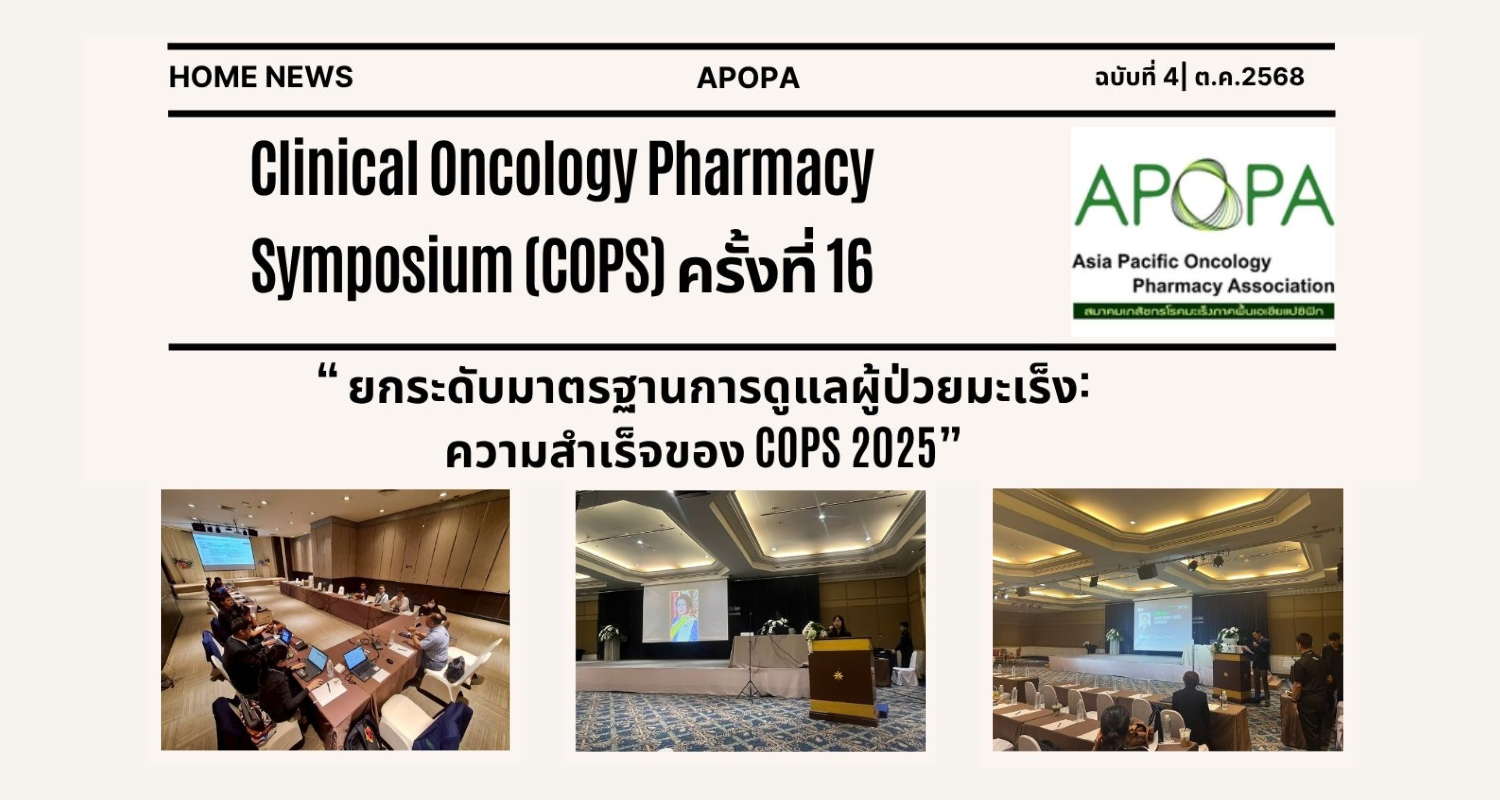
เป้าหมายที่ 1 “Education” เป็นแหล่งข้อมูลทางยาที่มีคุณภาพสำหรับผู้ป่วยและบุคคลที่สนใจผ่านทางเว็บไซต์ จุลสาร หรืออาจจัดให้มีการสนทนากับเภสัชกรผู้เชี่ยวชาญผ่านอินเตอร์เน็ต จัดให้มีกิจกรรมให้ความรู้ที่สอดคล้องกับสถานการณ์ปัจจุบันสำหรับประชาชน จัดให้มีกิจกรรมเพิ่มพูนความรู้ผ่านการประชุมวิชาการตลอดจนสนับสนุนให้มีการฝึกอบรมสำหรับนักศึกษาเภสัชศาสตร์ จัดประชุมวิชาการสำหรับเภสัชกรผู้ปฏิบัติงานเภสัชกรรมสาขาโรคมะเร็ง รวมถึงเภสัชกรในต่างประเทศ เช่น CLMV (กัมพูชา สปป. ลาว เมียนมา เวียดนาม) และ ภูมิภาคอื่นๆ รวมถึงสนับสนุนการฝึกอบรมในระดับประกาศนียบัตรและวุฒิบัตรสำหรับเภสัชกรและบุคลากรสายสนับสนุนผู้ปฏิบัติงานในหน่วยเตรียมผสมยาเคมีบำบัด ให้มีความรู้ความเข้าใจในบทบาทการส่งเสริมการป้องกันรวมถึงการรักษาโรคมะเร็งเพื่อให้เกิดผลการรักษาที่พึงพอใจ และลดค่าใช้ จ่ายอันเนื่องมาจากปัญหาการใช้ยา
เป้าหมายที่ 2 “Safe Handling” สนับสนุนความร่วมมือกับองค์กรที่เกี่ยวข้องกับการเตรียมผสมปราศจากเชื้อ/เคมีบำบัด (safe handling) เป็นประจำทุกปีในการปรับมาตรฐาน (standardized) ของการจัดการเกี่ยวกับการจัดเก็บ การเตรียมผสม และการทำลายยาเคมี บำบัดที่สามารถนำไปประยุกต์ใช้ได้จริง รวมถึงทักษะผู้เตรียมผสมยาปราศจากเชื้อ/เคมีบำบัด สำหรับเภสัชกรที่ยังไม่เคยผ่านการฝึกอบรมทักษะหรือผู้ที่ผ่านการฝึกอบรมทักษะแล้วให้มีองค์ความรู้และทักษะที่ทันสมัย และจัดกิจกรรมเสริมทักษะผู้เตรียมผสมยาปราศจากเชื้อ/เคมีบำบัดให้แก่นักศึกษาเภสัชศาสตร์ (Aseptic Dispensary Compound for pharmacy student)
เป้าหมายที่ 3 “Oncology Pharmacy Practice” พัฒนามาตรฐานในการบริบาลผู้ป่วยมะเร็งโดยอาศัยแนวทางปฏิบัติที่มีการยอมรับ และมีข้อมูลจากการศึกษาทางคลินิกยืนยัน โดยมีการนำข้อมูลที่เป็นปัจจุบัน ตลอดจนข้อมูลทางการแพทย์ที่ทันสมัยช่วยในการประกอบการตัดสินใจเพื่อให้ผลการรักษาเป็นที่พอใจ และช่วยประหยัดค่าใช้จ่ายในการดูแลรักษาโดยรวม
เป้าหมายที่ 4 “Pharmacy informatics” เพื่อเพิ่มประสิทธิภาพในการทำงาน และเกิดความปลอดภัย และเพิ่มคุณภาพในการให้บริการ
เป้าหมายที่ 5 "Research" จัดให้มีทุนวิจัยสำหรับเภสัชกรในการทำวิจัยที่เกี่ยวกับการป้องกัน การรักษา และการรักษาเพื่อ บรรเทาอาการในผู้ป่วยมะเร็ง
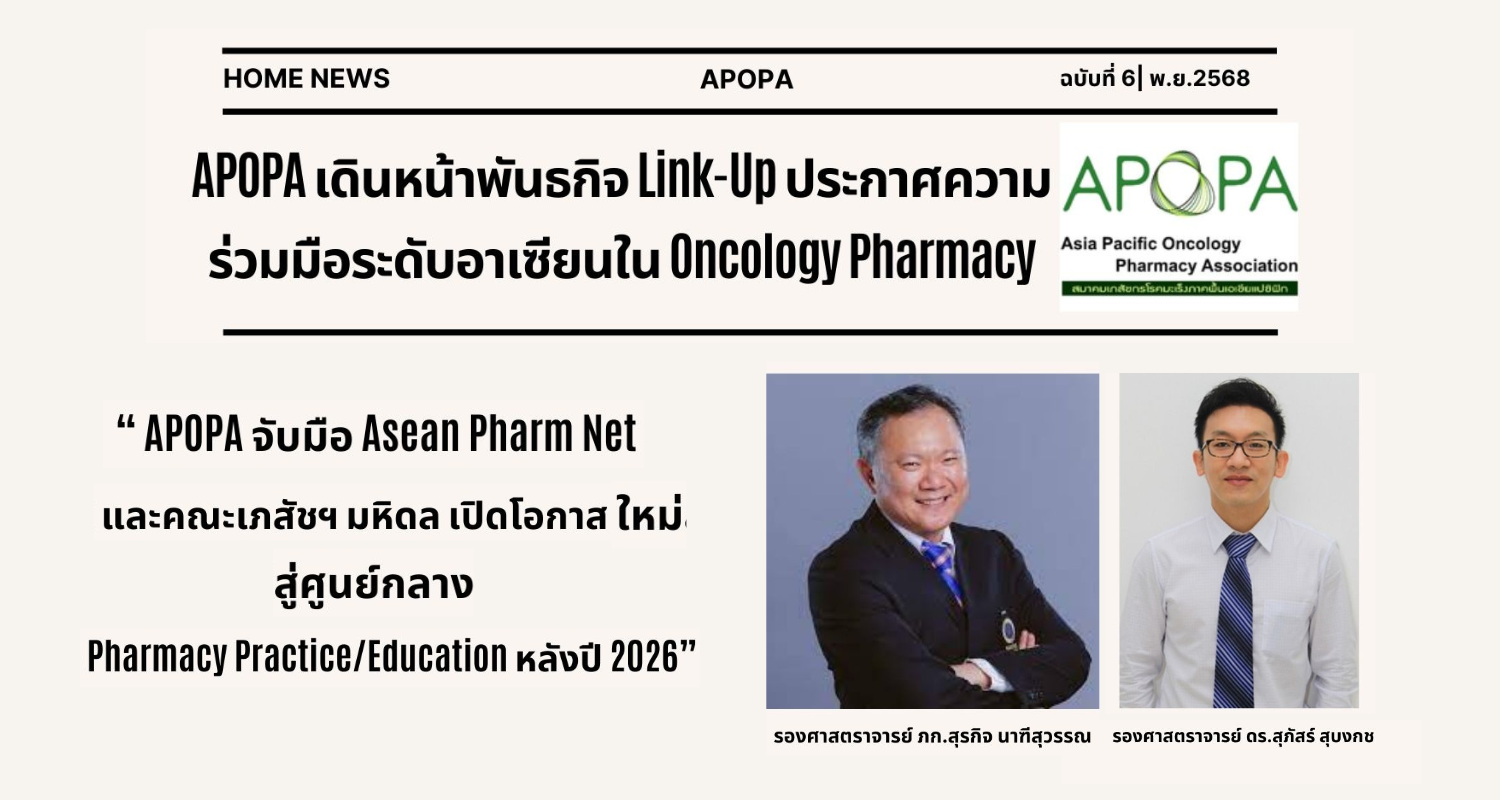
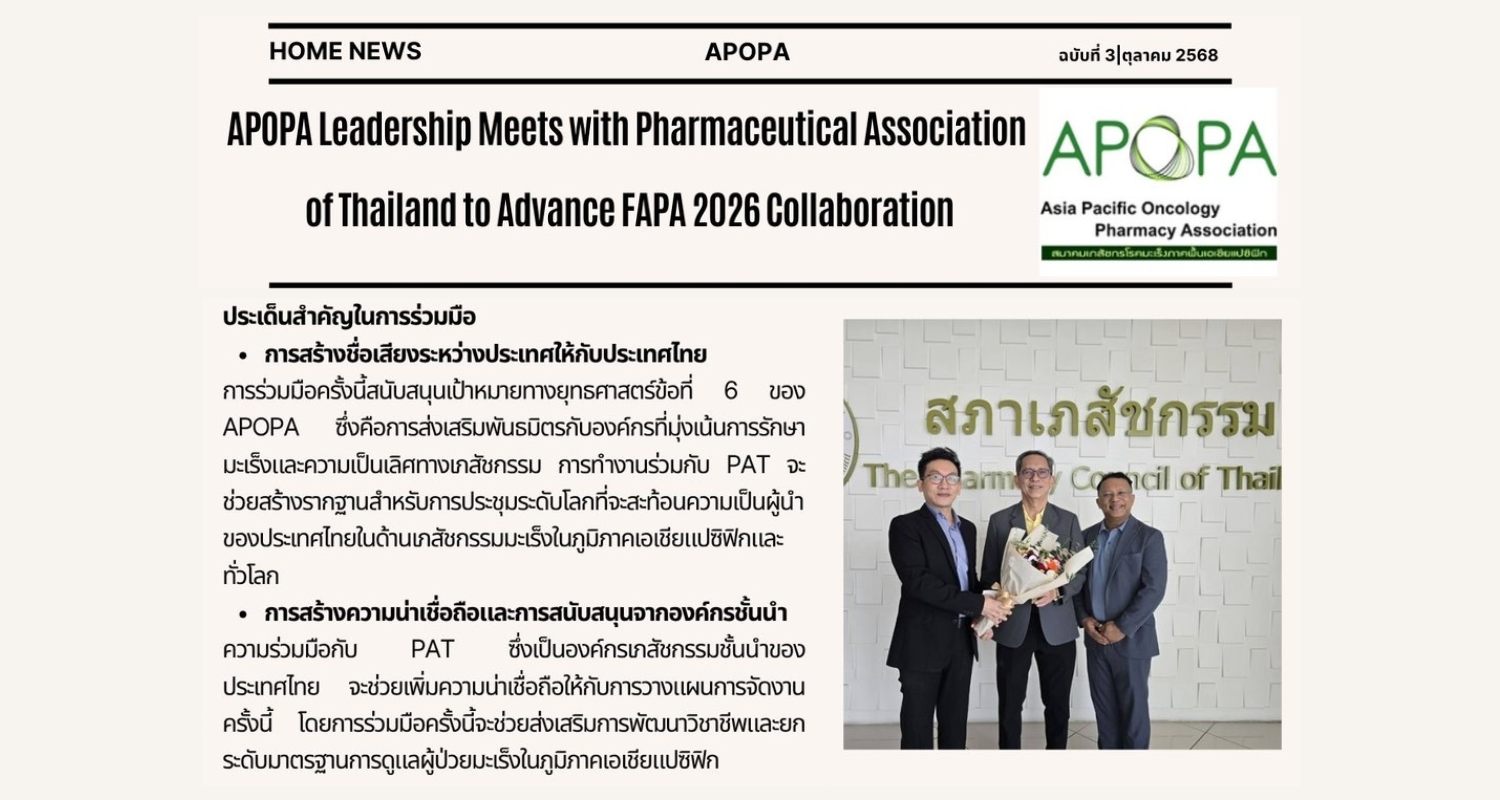
เป้าหมายที่ 6 “Link up (Collaboration and Partnership)” สนับสนุนให้เกิดความร่วมมือกับองค์กรอื่น ๆ ที่เกี่ยวข้องกับการรักษาโรคมะเร็ง เช่น the American Society of Clinical Oncology (ASCO) และ International Society of Oncology Pharmacy Practitioners (ISOPP) เพื่อส่งเสริมและพัฒนาให้เกิดมาตรฐานวิชาชีพเภสัชกรสาขาโรคมะเร็งในประเทศไทย เป็นผู้สนับสนุนให้เกิดการใช้ยารักษาโรคมะเร็งอย่างเหมาะสมในระดับนโยบาย (Policy)
เป้าหมายที่ 7 "Leadership" ส่งเสริมการพัฒนาด้านความเป็นผู้นำในการดูแลผู้ป่วยโรคมะเร็ง
